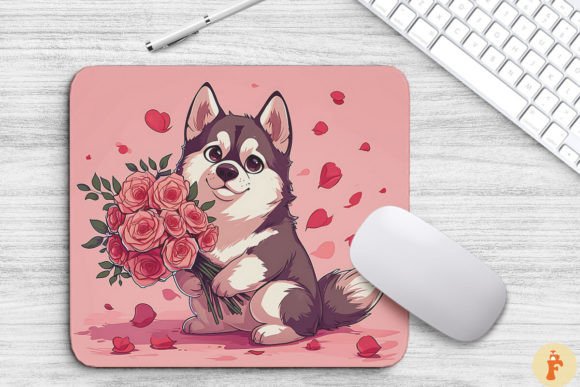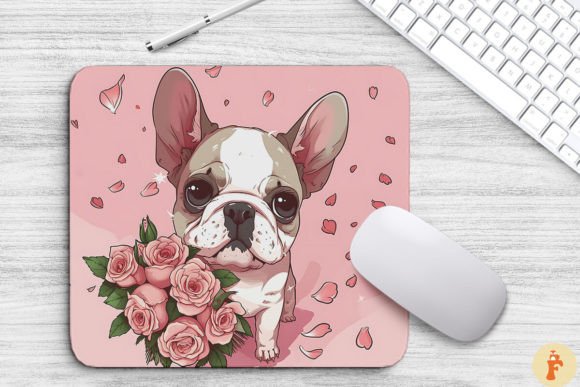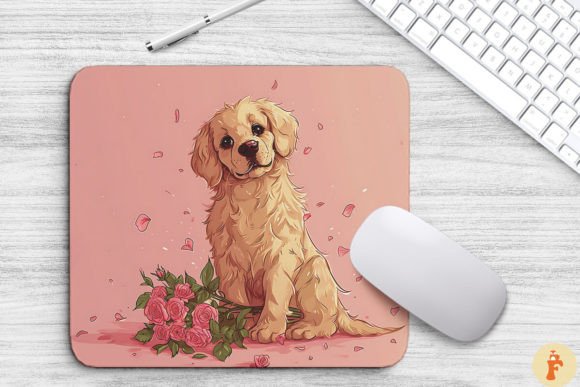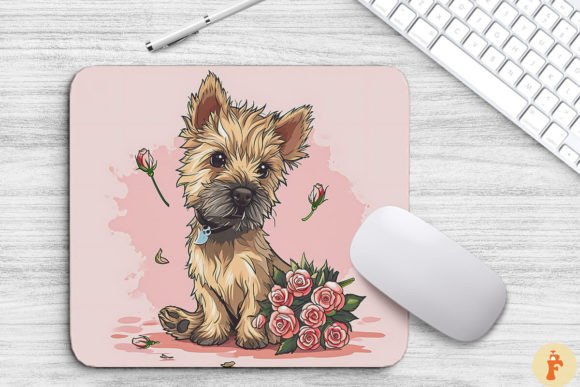
Cute Boxer Dog with Bouquet: A Designer's Review
When I first pulled up the Cute Boxer Dog with Bouquet file on my screen, my immediate reaction was one of warmth. As a designer who spends most days troubleshooting dense stitch counts and battling puckering on stretchy fabrics, it is refreshing to encounter a graphic that prioritizes charm without sacrificing technical viability. This isn't just a pretty picture; it is a potential cornerstone for a spring collection or a Valentine's Day capsule. The illustration style strikes a balance between whimsical and structured, which is exactly what we need when translating digital art into thread.
First Impressions and Visual Personality
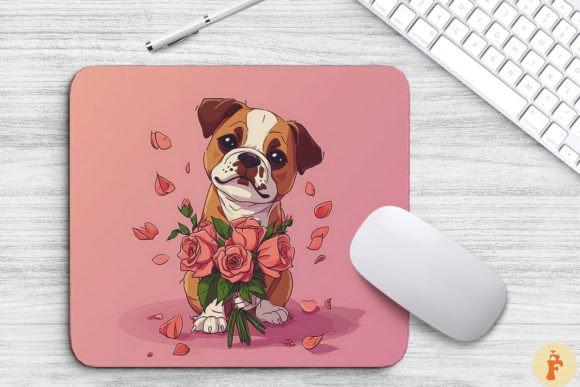
The mood this design creates is undeniably sweet and inviting. The central figure, a Boxer dog holding a bouquet, exudes a friendly demeanor that translates well across various demographics. For embroidery designers, the layout is crucial. The composition feels balanced, with the floral elements framing the canine subject without overcrowding the negative space. This breathing room is vital for machine embroidery, as it allows the fabric texture to show through, preventing that heavy, cardboard-like feel that often plagues low-quality designs.
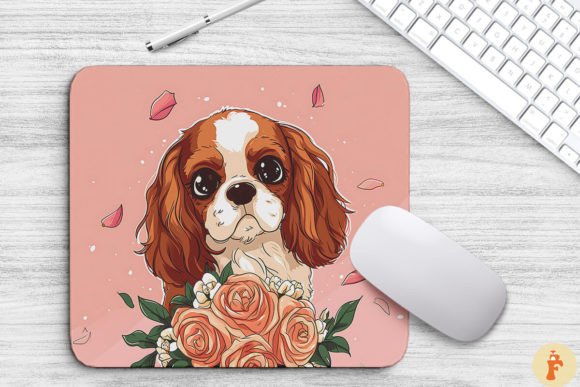
Visually, the personality of the piece leans towards "charming" rather than hyper-realistic. This is a strategic advantage. Highly detailed realism often fails in smaller hoop sizes or on textured fabrics like towels. By opting for a slightly stylized approach, the Cute Boxer Dog with Bouquet ensures that the essential features—the floppy ears, the expressive eyes, and the bundle of flowers—remain distinct even after stitching. It feels like a design built for connection, perfect for customers looking for a personalized gift that speaks to their love for pets.
Real-World Application Scenarios
To truly evaluate this asset, I imagined it sitting on a worktable in a busy craft business. Picture a custom order for a local boutique: a high-quality canvas tote bag featuring this design. The sturdy weave of the canvas would support the stitch density beautifully, allowing the colors of the bouquet to pop against the neutral background. Alternatively, consider a sweatshirt embroidery project for a pet lover. Placed on the left chest or as a larger back print, this graphic adds a touch of personality to standard apparel.
I also see immense potential for holiday embroidery. While obviously suited for Valentine's Day given the romantic undertones of the bouquet, the "dog in love" theme works year-round for anniversaries or adoption celebrations. For an Etsy seller, this could be the hero image on a nursery decor item, such as a pillow cover or a blanket for a child's room. The softness of the subject matter aligns perfectly with baby embroidery projects, provided the thread choices are gentle and non-irritating.
For those running a small shop product line, consistency is key. Using this graphic across a range of items—from aprons in a bakery to tea towels in a kitchenware set—creates a cohesive brand identity. The design acts as a versatile anchor, recognizable yet adaptable enough to fit different colorways and fabric types.
Technical Considerations and Fabric Compatibility
However, enthusiasm must be tempered with technical scrutiny. Before committing to a production run, there are specific areas where the Cute Boxer Dog with Bouquet requires careful handling. If you are working with small hoop sizes, you must verify that the intricate details of the flower petals do not become lost. Tiny running stitches can disappear into the fabric grain if the material is too coarse.
Textured fabrics present another challenge. On a waffle-weave towel or a thick terrycloth, the definition of the dog's outline might soften. In these cases, increasing the pull compensation or adjusting the underlay settings in your software might be necessary, assuming you have access to the editable embroidery file. Similarly, when working on stretchy fabric like jersey knits for t-shirts, the use of a cut-away stabilizer is non-negotiable. Without proper support, the weight of the fill stitch areas could cause the garment to warp over time.
Dark fabric applications also demand attention. If the original design relies on light thread colors for the dog's fur or the flowers, stitching directly onto black or navy material will require a dense underlay or a pre-stitched white base to prevent the background color from bleeding through and dulling the vibrancy. Curved surfaces, such as caps, are another tricky territory. The distortion inherent in cap framing can stretch the design horizontally; always test the placement to ensure the bouquet doesn't look like it's falling out of the dog's mouth due to frame tension.
Enhancing Product Value and Customer Trust
The ultimate goal of any commercial embroidery project is to deliver a finished product that feels premium. A well-executed version of this design enhances visual appeal significantly. When a customer sees crisp satin stitch borders and smooth fill areas, it builds immediate trust in your craftsmanship. It signals professionalism. Conversely, a poorly stitched version with visible jumps or thread breaks can damage your reputation as a reliable maker.
This design has high "giftability." It taps into the emotional connection people have with their pets. When a buyer sees this on a handmade product, they aren't just buying a shirt; they are buying a sentiment. This emotional resonance drives buyer engagement and can justify a higher price point for your custom apparel or embroidered patches. For digital product sellers, offering this as part of a bundle with printable mockups can help customers visualize the end result, further boosting sales confidence.
Practical Notes for the Embroidery Designer
Before you load this into your machine, here is a checklist based on real-world experience:
- Test on Scrap Fabric: Never skip this step. Stitch the design on the exact same material and weight you intend to use for the final product.
- Check Thread Color Contrast: Ensure the thread colors chosen provide enough separation between the dog, the bouquet, and the background. Sometimes default color stops in an embroidery file need manual adjustment for specific fabric tones.
- Review Stitch Density: Look closely at the flower centers and the dog's eyes. If the density is too high, it may cause bird nesting; if too low, the fabric will show through awkwardly.
- Confirm Hoop Size: Verify that the design fits within your available hoop without needing to re-hoop, which can lead to alignment issues.
- Inspect Small Details: Zoom in on the digital preview. Are there tiny isolated stitches that might trim out easily during wear and washing?
- Mockup Testing: Create black and white mockups to check the value contrast. If the design looks flat in grayscale, it might lack depth in person.
- Stabilizer Selection: Match your stabilizer to the fabric. Tear-away for stable wovens, cut-away for knits, and water-soluble for delicate fabrics like lace or sheer curtains.
Finally, a crucial reminder regarding licensing. Since this falls under Graphics and Backgrounds, you must confirm the specific terms before selling finished items or digital derivatives. Some licenses allow for unlimited physical goods but restrict digital resale, while others may have caps on production volume. Always read the fine print to protect your craft business.
In conclusion, the Cute Boxer Dog with Bouquet is a delightful addition to any designer's library. It offers a blend of aesthetic appeal and practical functionality that, when handled with care, can elevate a simple piece of fabric into a cherished keepsake. Whether you are decorating a single personalized gift or stocking shelves for a boutique, this design holds the potential to bring joy to both the maker and the recipient.